Organic Cotton
From our original journal · 28 December 2023. Updated for clarity on organic certification.
The growing of conventional cotton can have a significant impact on people in cotton-growing areas. Its cultivation can involve intensive chemical use, affecting soil, air and water.
What does organic cotton mean?
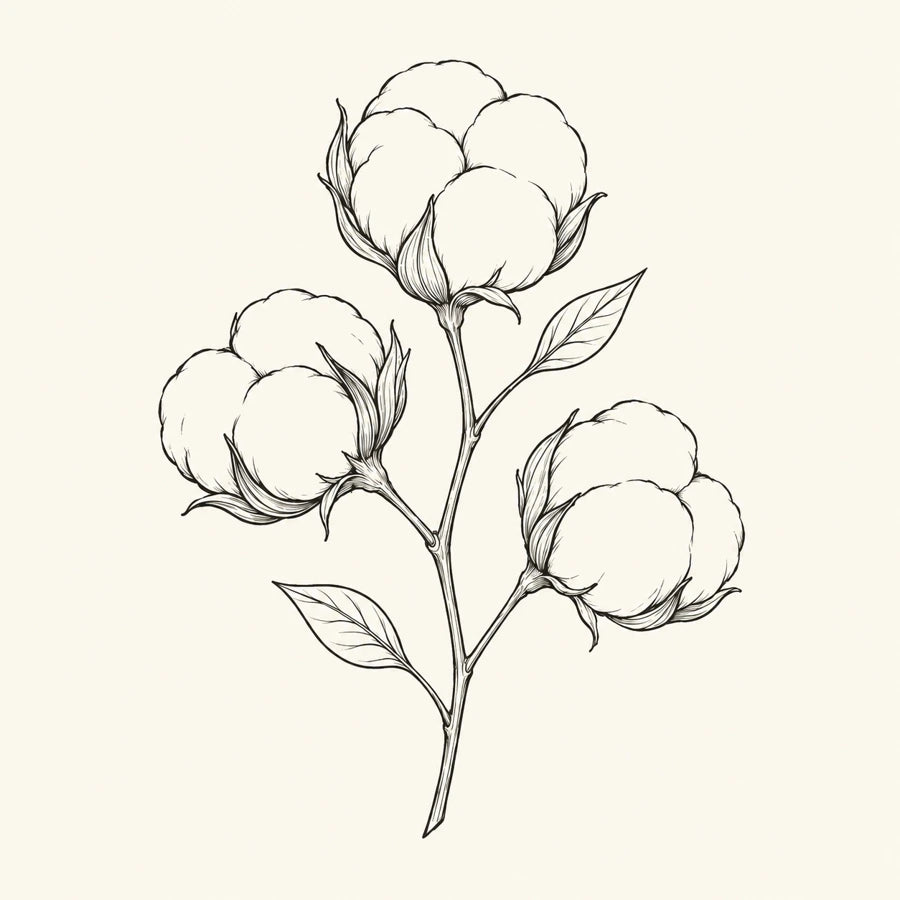
Organic cotton is grown according to recognised organic farming standards, without synthetic pesticides, herbicides or genetically modified seeds. Organic does not mean that no substances are ever used in farming or processing: certification sets specific requirements.
You can read more in the Organic Cotton Plus learning centre.
How do you know if a product is organic cotton?
Good question! Look for clear fibre information and verifiable certification. The Global Organic Textile Standard (GOTS) covers environmental and social criteria across processing and manufacturing, as well as organic fibre content. A certified fabric does not automatically make the finished garment GOTS-certified.
Read about GOTS and what its certification covers.
What did Declare Clothing’s search for organic cotton look like?
We searched high and low to find local suppliers who were also focused on sustainability and had a long-term view of fashion. We were delighted to find material suppliers in South Africa.
In our original sourcing story, we chose a blend of 45% organic cotton and 55% hemp. Our suppliers described their organic cotton materials as GOTS-certified. This is our sourcing story, rather than a claim that every Declare garment or the Declare brand is GOTS-certified. Materials vary across our collections; check each product for its fabric details.
References
Organic Cotton Plus: learning centre (originally accessed 23 December 2023).
Global Organic Textile Standard: key features (reviewed 16 October 2026).